
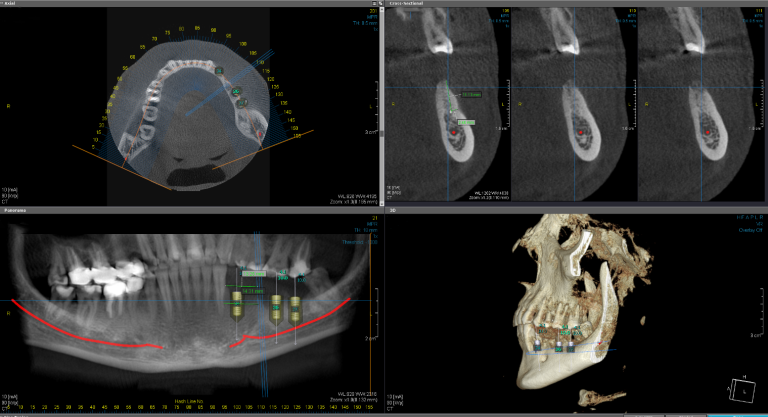
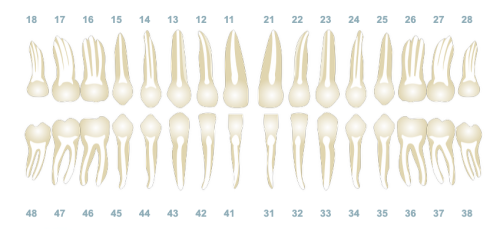
Before the implant operation, we perform your physical examination and make final evaluations based on the planning and your treatment expectations.
We take professional intraoral photographs and perform digital 3D scans for the preparation of the implant surgical guide.
If requested, we also refer you to our collaborating medical doctor for IV vitamin C or IV Ozone supplements to strengthen your immune system before and/or after the operation.

To increase the success of the treatment and make the process more comfortable for you, we use a technology called "surgical guide."
A surgical guide is a guide specifically designed for your jaw structure and needs. Thanks to this guide, we can determine the area where the implant will be placed with millimeter precision.
We design a surgical guide suitable for your jaw structure by matching the scans and tomography we take from you. Our doctors and technicians plan this process entirely digitally and produce it in our clinic with 3D printers.Our doctors use the surgical guide during the operation to ensure that the implants are placed at the most accurate angle and position.
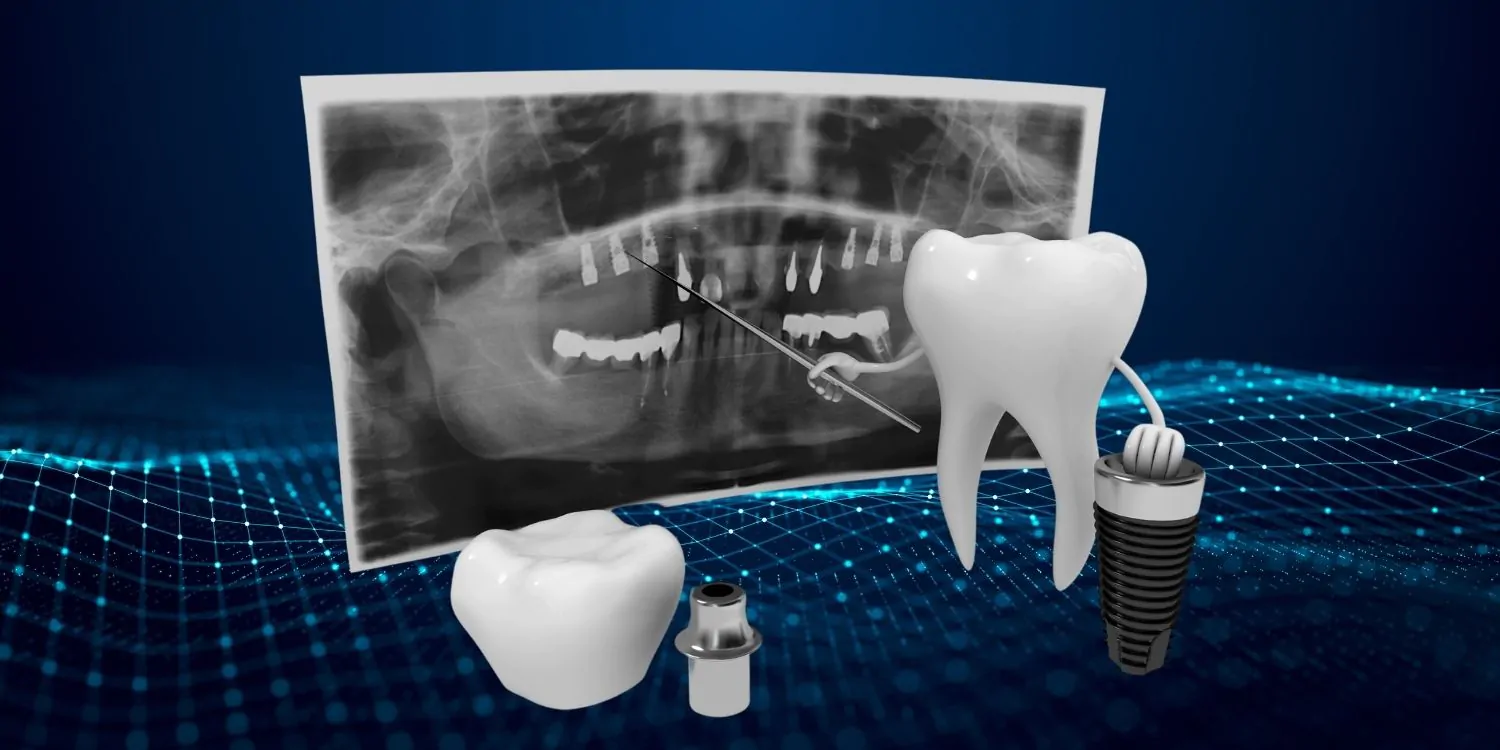
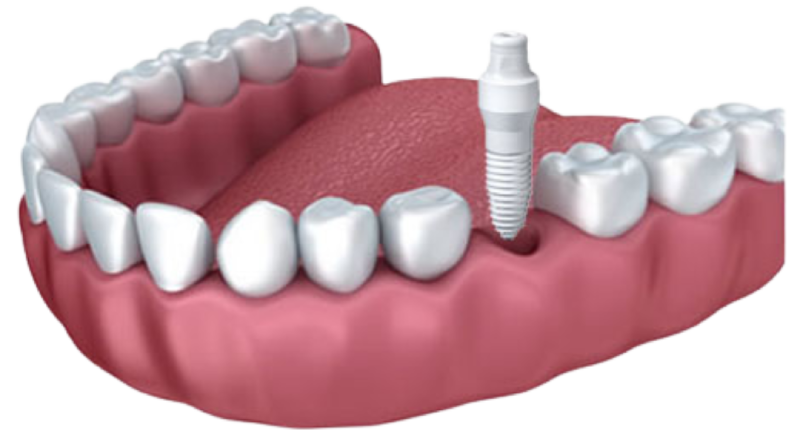
According to the planning we made earlier, on the operation day, we first draw blood and prepare the PRF we will use during the operation. We perform our implant placement operations using the surgical guide we prepared with minimally invasive methods. During surgical procedures, we ensure the antisepsis of the operation area by utilizing dental ozone.
A few days after the operation, we call our patients for a check-up appointment to ensure everything is going well.
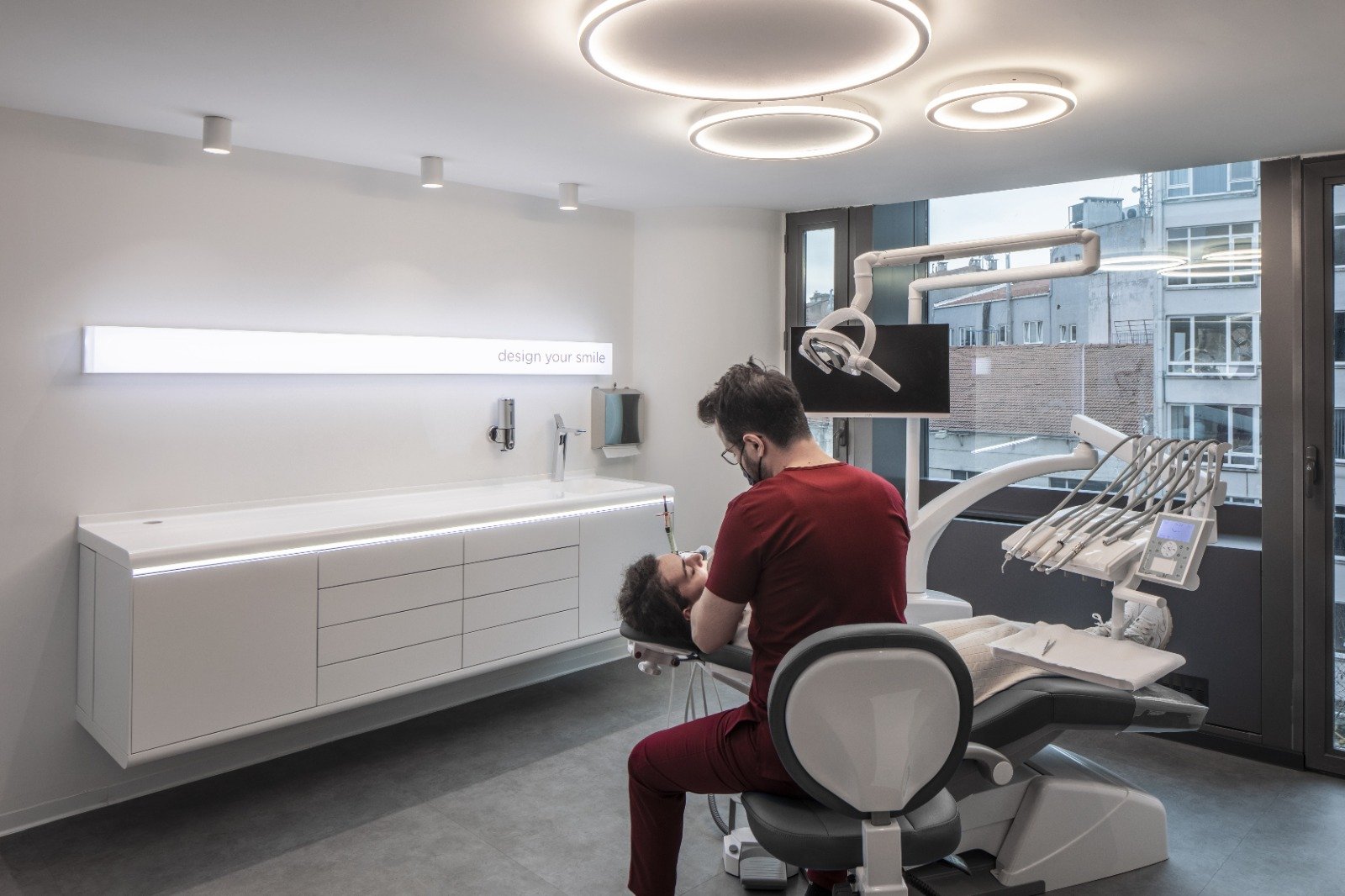
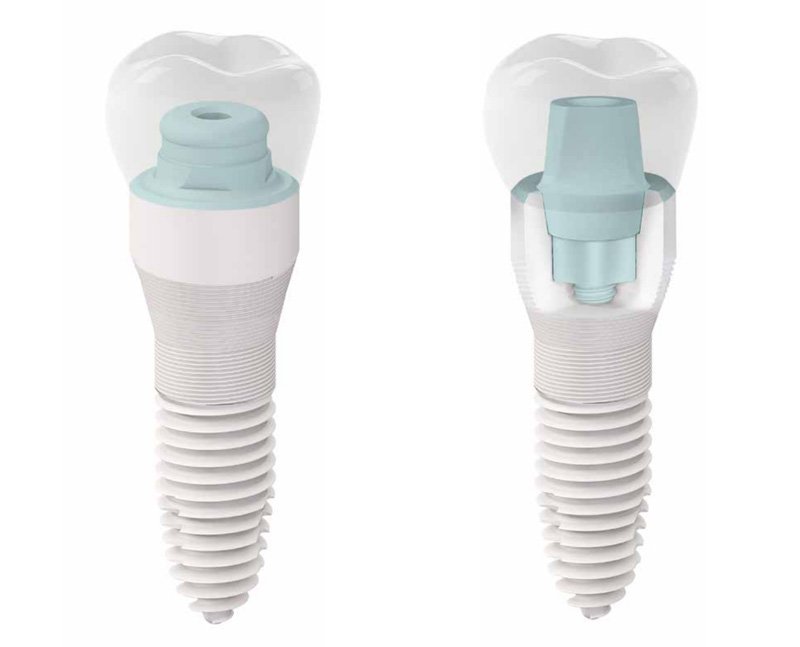
For the placement of permanent ceramic crowns, we need two or three more sessions 4 to 6 months after the implant is placed (osseointegration period).
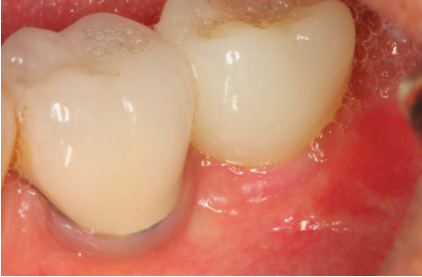
In the first session, we prepare the area around the implant and gums and send the digital impression to the laboratory. Within 5-7 days, the crowns are produced by the laboratory and sent to us. In the next session, we perform the bonding procedure of the crown. If any changes are needed in the crown, we may need to schedule another appointment for the following days.
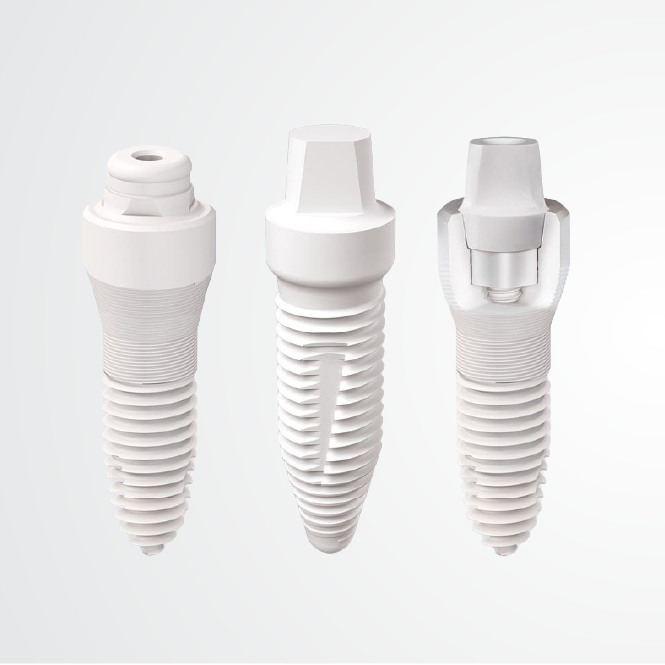

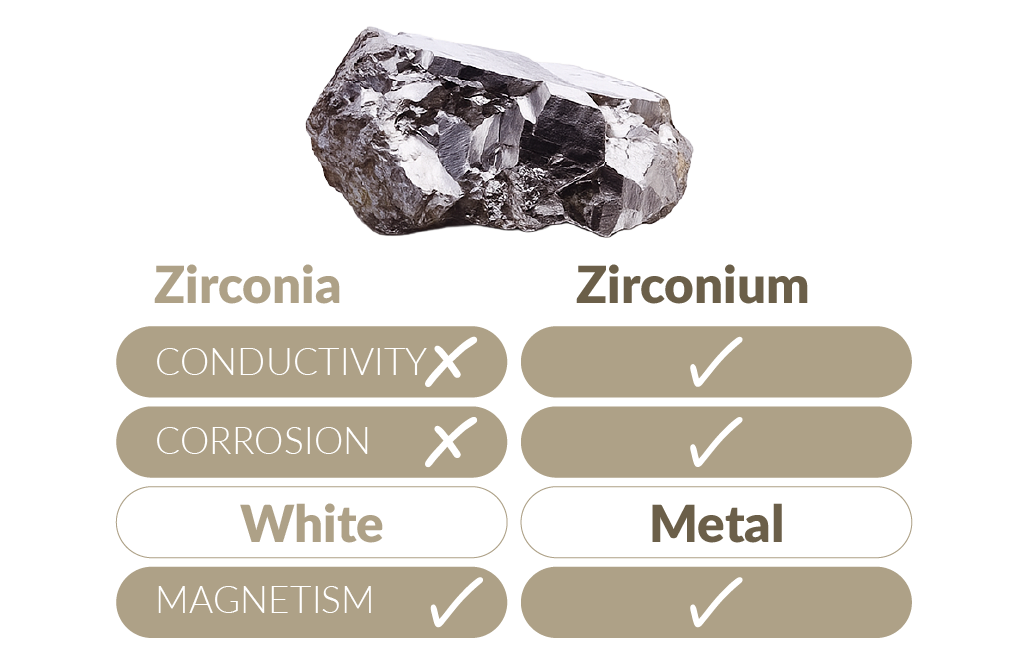
A ceramic implant is a biocompatible dental implant made from zirconia (zirconium oxide). The most important differences from titanium implants are: it is white in color, does not corrode, does not conduct electricity or heat, accumulates less bacterial plaque, and has a lower risk of allergic reactions.
Zirconia is an extremely strong and durable material. It is resistant to chipping, cracking, and wear. With proper care and regular check-ups, it can be used for many years.
The operation duration varies depending on the number of implants and bone structure. Generally, it takes 30-60 minutes for a single implant. Thanks to the use of a surgical guide, the procedure is completed faster and more precisely.
Ceramic implants can be applied to patients who have adequate bone structure and whose general health condition is suitable. They are ideal especially for patients with metal allergies, high aesthetic concerns, and those who embrace biological dentistry principles.
The fusion of ceramic implants with bone (osseointegration) generally takes 4-6 months. During this process, regular check-ups are performed and temporary prostheses can be used. The healing process is similar to titanium implants, but soft tissue healing is generally better.
The maintenance of ceramic implants is similar to the care of natural teeth. Regular brushing, flossing, and regular dental check-ups are sufficient. Since bacterial plaque accumulation is less, maintenance is easier.
The cost of ceramic implants is generally higher than titanium implants. However, the cost can vary depending on the number of implants, additional treatments (graft, sinus lifting, etc.), and the crown material used. You can contact our clinic for detailed information.

