
What Are Zirconia Dental Implants?
A zirconia dental implant is a tooth root replacement milled from zirconium dioxide — a white, high-strength ceramic — instead of titanium. It is the only widely available metal-free implant option, which is why patients with titanium sensitivity, or those who simply prefer not to carry metal in the jaw, ask for it by name.
Zirconia is a ceramic, not a metal. It has been used in dentistry since the 1980s and in implantology for roughly two decades. At Soho Dental we place SDS (Swiss Dental Solutions) ceramic implants — a certified Swiss system with full manufacturer documentation.
Two different things share the word "zirconia": the implant (the ceramic root inside the bone, covered on this page) and the crown (the visible tooth on top, which can sit on either a titanium or a ceramic implant). See our full price list for how the two are quoted separately.
How Much Do Zirconia Implants Cost?
A single ceramic implant at Soho Dental is from $1,850 (€1,600 / £1,400) for the fixture. The crown that goes on top is quoted separately.
| Treatment | Soho Dental (Istanbul) |
|---|---|
| Single Ceramic Implant — SDS Zirconia | from $1,850 |
| Single Titanium Implant — Straumann® BLX / BLC Implant Systems | from $1,100 |
| Single Titanium Implant — entry tier | from $520 |
| Zirconia Crown (fitted on top) | from $290 |
Why ceramic costs more than titanium
A single implant averages $4,500 in the US and £2,400 in the UK — and those are titanium figures. Ceramic carries a premium in every market, because zirconium dioxide blanks cost more than titanium and the one-piece fixtures are milled rather than machined in volume. The gap between ceramic and titanium at Soho Dental is the material, not a different standard of care.
What moves your own quote: the number of implants, whether a bone graft or sinus lift is needed, the crown or bridge material on top, and sedation choice. Everything foreseeable is disclosed in writing after your CBCT assessment, before you travel.
Zirconia vs Titanium Implants — Which Should You Choose?
Both materials are biocompatible and both integrate with bone. They are not ranked best-to-worst; they suit different patients and different positions in the mouth.
| Factor | Zirconia (ceramic) | Titanium |
|---|---|---|
| Colour | ✓ White, tooth-coloured | Grey metal |
| Visible through thin gum | ✓ No grey shadow | Can show at the gum line |
| Metal content | ✓ Metal-free | Titanium alloy |
| Long-term clinical data | About two decades | ✓ 40+ years |
| Flexibility under load | More rigid, less forgiving | ✓ Flexes slightly |
| Design | Often one-piece | ✓ Two-piece, more prosthetic options |
| Suitability for full-arch | Case by case | ✓ Standard for All-on-4 / All-on-6 |
| Starting price at Soho Dental | $1,850 | $520 |
A CBCT assessment and examination with your surgeon confirms the right choice for you. Many plans that include ceramic implants may use both: ceramic in the visible smile zone, titanium at the back where chewing load is highest. For full-arch cases see full mouth dental implants, All-on-4 and All-on-6.
Who Is a Good Candidate for Zirconia Implants?
Ceramic is often the right call if you
- Have a diagnosed titanium or metal sensitivity
- Want a metal-free restoration on principle
- Are replacing a front tooth where a grey shadow would show
- Have thin gum tissue over the implant site
- Have healthy gums and enough bone volume
- Do not grind heavily, or will wear a night guard
Titanium may suit you better if you
- Need a full-arch restoration on four or six implants
- Grind your teeth heavily
- Have limited bone and need an angled placement
- Want the longest clinical track record available
- Are working to a tighter budget
Advantages of Zirconia Implants
- Metal-free. No titanium alloy, which matters for patients with a confirmed sensitivity.
- No grey line. The white fixture does not shadow through thin gum tissue the way metal can.
- Low plaque affinity. The polished ceramic surface is less hospitable to bacterial film than roughened metal.
- One-piece designs remove the abutment joint — no micro-gap between fixture and abutment.
- Corrosion-free. Ceramic does not oxidise in the mouth.
- Gum tissue responds well to the polished ceramic collar.
Limitations & Risks You Should Know
Ceramic implants are marketed enthusiastically online. These are the trade-offs a clinic should tell you about before you commit.
- Less long-term data. Titanium has 40+ years of follow-up studies; ceramic has roughly two decades. That is a real difference in evidence, not a marketing point.
- More rigid under load. Zirconia does not flex the way titanium does, so heavy grinding is a genuine concern. A night guard is not optional if you clench.
- One-piece design limits prosthetic flexibility. The angle is fixed at placement, which narrows the restorative options later.
- Higher cost — roughly three times an entry-tier titanium fixture.
- Not every case is suitable. Severely reduced bone, or a plan needing angled full-arch placement, is not recommended and usually better served by titanium.
If a clinic presents ceramic as better than titanium in every respect, treat that as a sales position rather than a clinical one. The honest answer is that it depends on your case.
One-Piece vs Two-Piece Ceramic Implants
Most ceramic implants are one-piece: fixture and abutment are milled from a single block, so there is no screw joint and no micro-gap. The trade-off is that the emergence angle is decided during surgery and cannot be adjusted afterwards, which makes accurate 3D planning more important than it is with titanium.
Two-piece ceramic systems exist and restore some of that flexibility, at the cost of reintroducing a connection. Which design your case needs is confirmed from your CBCT scan and the position of the tooth being replaced.
The Zirconia Implant Procedure — Step by Step
- 1
Free Online Consultation & Quote
Send your X-rays or clear photos on WhatsApp or by email. A specialist reviews whether a ceramic implant suits the site and sends a transparent plan within 24 hours — no obligation.
- 2
Day 1 — CBCT Imaging & Planning
A 3D scan measures bone height, width and density at the implant site. Because one-piece ceramic fixtures cannot be angled after placement, the position is planned precisely before surgery.
- 3
Day 2 — Implant Placement
The ceramic fixture is placed under local anaesthetic, with IV sedation available. If the tooth is still present it is removed first, and whether grafting is needed depends on the case.
- 4
3–6 Months — Healing at Home
The implant integrates with the jawbone while you go about normal daily life. Our team follows up remotely throughout.
- 5
Second Visit — Final Crown
Over 6–7 working days your ceramic crown is produced by our partner laboratory with CAD/CAM lab work, tried in, shade-matched and fitted.
How Long Do I Need to Stay in Istanbul?
Implant treatment is completed over two visits, with a 3–6 month healing period at home in between:
- Visit 1 (placement): 3 working days for imaging, clinic consultation, placement and post-operative checks.
- Healing at home: 3–6 months of normal daily life.
- Visit 2 (final crown): 6–7 working days to produce and fit the restoration.
Hotel accommodation and VIP airport ↔ hotel transfers are arranged by your coordinator according to your flights and individual package conditions. All relevant details are shared transparently with you before you travel. See the full treatment journey for international patients.
How Long Do Zirconia Implants Last?
Published follow-up on ceramic implants extends to roughly ten years, with survival broadly comparable to titanium over that window — but titanium has decades more data behind it, and anyone quoting a precise lifetime figure for ceramic is going beyond the evidence.
What actually decides longevity is the same for both materials: gum health, bite forces and daily hygiene. Untreated gum disease, smoking and grinding without a night guard are the common reasons implants fail anywhere in the world.
Your warranty at Soho Dental
Implants carry a lifetime guarantee on the fixture itself; crowns, bridges and veneers are covered for 5 years, provided you keep to the recommended hygiene and check-up schedule. Your warranty conditions are issued in writing with your treatment documents.
A warranty should never be presented as though biological complications were impossible. Accidental damage, untreated gum disease and smoking-related failure fall outside the cover — smoking being the most common reason implant guarantees are voided anywhere in the world.
Caring for Zirconia Implants
- 1
Do ceramic implants stain?
The ceramic itself does not absorb stain the way composite does, and polished zirconia resists discolouration well. Surface film from coffee, tea, red wine and tobacco can still build up — it is removed at a routine hygiene appointment.
- 2
Toothpaste and brushing
Use a soft brush and a low-abrasion toothpaste. Avoid heavily abrasive whitening pastes and anything with baking-soda grit, which dulls the polish over time. Whitening products do not lighten ceramic in any case.
- 3
Between the teeth, every day
Interdental brushes or floss around the implant collar matter more than brushing force. Peri-implant inflammation starts where cleaning stops.
- 4
Night guard if you grind
Zirconia is rigid and does not absorb clenching forces. If you grind, wearing the guard is the single biggest thing you control.
Full-Arch and Multiple Zirconia Options
Patients often ask for a full mouth of ceramic implants. In practice full-arch restoration is usually planned on titanium fixtures with a zirconia bridge on top — you get the ceramic appearance and strength where it shows, on the implant system with the longest track record underneath.
Where several individual teeth are missing, ceramic fixtures can be placed site by site. Whether that or a full-arch approach suits you is decided from your CBCT scan — see All-on-4, All-on-6 and our treatment packages.
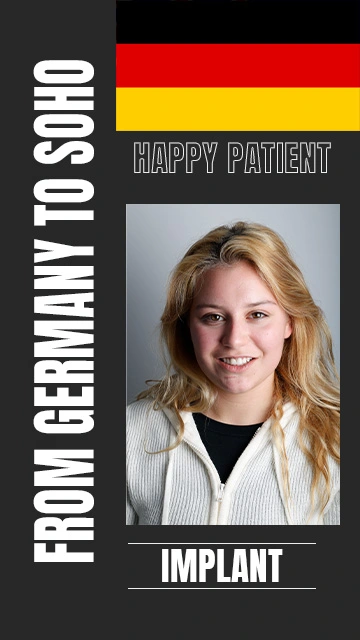
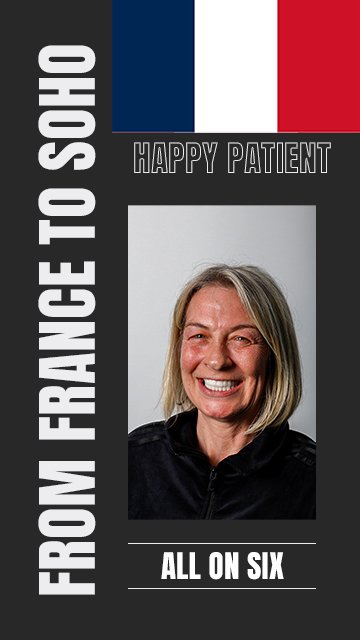
Before & After — Implant Results in Turkey
Real implant and full-arch transformations from Soho Dental Clinic patients in Istanbul.
From First Visit to Final Smile.
Explore real patient stories captured in every transformation. These are more than smiles — they are renewed confidence, achieved with care and precision at Soho Dental Clinic.
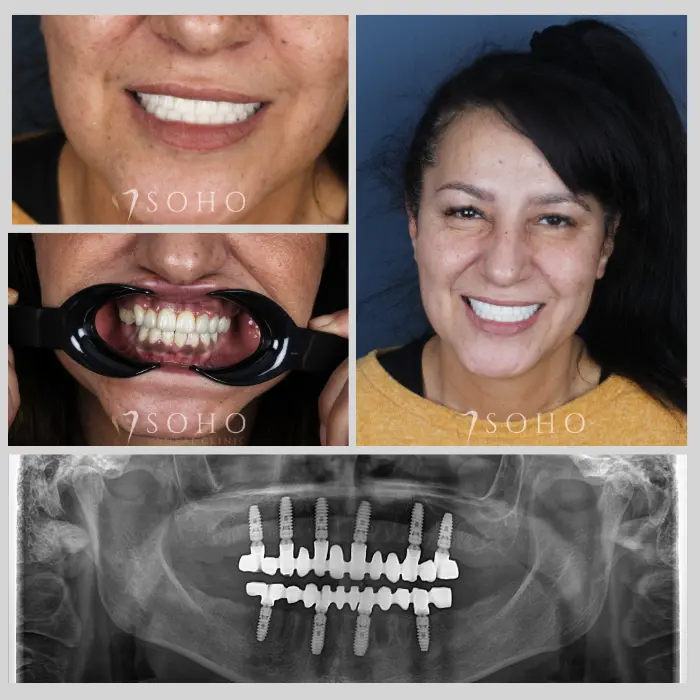
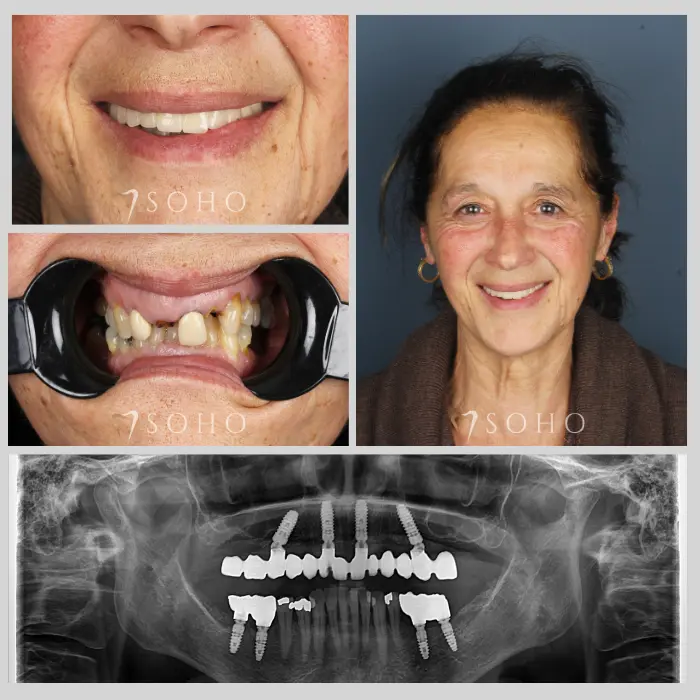


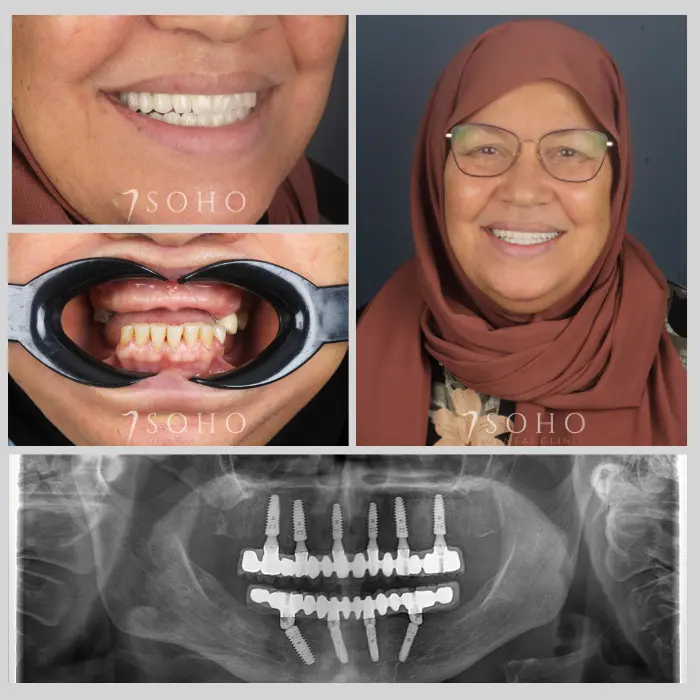

Real Patients. Real Smiles.
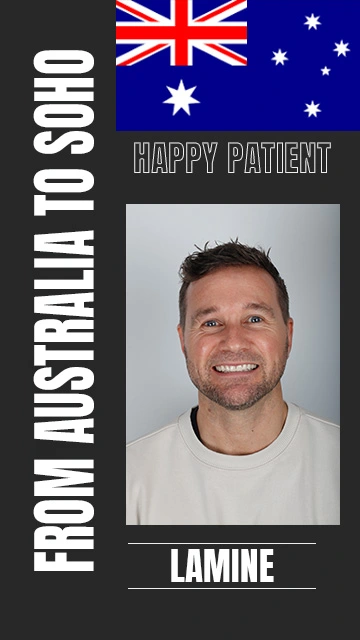


Our Implant Dentists
Ceramic implant cases are planned and treated through a doctor-led multidisciplinary model, with the co-founders directly involved in implant surgery, prosthetic planning and full-arch rehabilitation. Dr. Dt. Onur Utku Yüksel holds certification in Ceramic Implantology & Metal-Free Dental Implant Systems — metal-free implantology is a specific training area, not a product line.


Is Implant Treatment Safe in Turkey? What International Patients Should Check
Implant treatment can be performed safely in Türkiye when it is provided by an appropriately authorized healthcare facility and planned according to the patient's individual clinical needs.
Soho Dental Clinic holds an International Health Tourism Authorization Certificate under the Republic of Türkiye Ministry of Health framework. Our authorization can be verified through the Ministry of Health's official list of authorized healthcare providers, and our clinic profile is listed on Health Türkiye, the Ministry's health-tourism platform.
For ceramic implant treatment, authorization is only one part of the decision. Patients should also consider who is planning and performing the treatment, how implant positions are determined, which implant system is being used and whether it carries manufacturer documentation, and what aftercare is available after returning home.
Independent patient reviews and video interviews are worth checking for any clinic you shortlist, including ours.
 TDB Member Surgeons
SDS Swiss Ceramic Implants
International Health Tourism Authorization Certificate · Republic of Türkiye Ministry of Health.
A note on very low prices: ceramic implants advertised at titanium prices are worth questioning — ask which system is being placed and request the manufacturer documentation. Always get a full written price and verify authorization before committing anywhere.
Why Choose Soho Dental for Ceramic Implants?
What makes the difference
- Certification in Ceramic Implantology & Metal-Free Implant Systems
- SDS Swiss ceramic implants with full manufacturer documentation
- 3D CBCT planning before any implant position is fixed
- Honest guidance on when titanium is the better choice
- CAD/CAM lab work through our partner laboratory
- English-speaking coordination from first message to aftercare
Guarantee & aftercare
- Lifetime guarantee on the implant fixture
- Crowns and bridges covered for 5 years
- Warranty conditions issued in writing with your documents
- Free follow-up checks during your stay
- Continuous remote aftercare once you are home
Implant & Treatment Package Prices
VIP airport & hotel transfers, 3D CBCT, panoramic X-ray and laboratory fees are included according to package conditions. Any possible extras outside of your package will always be shared with you before you travel.
Frequently Asked Questions
More answers on travelling to Istanbul for treatment are in our full patient FAQ.
Everything international patients ask about ceramic implants — cost, how they compare with titanium, how long they last, and where they are not the right choice. Still unsure? Message us for a free, no-obligation assessment.
A single ceramic implant fixture at Soho Dental is from $1,850 (€1,600 / £1,400); the crown on top is quoted separately, from $290. For comparison a single implant averages $4,500 in the US and £2,400 in the UK — and those are titanium figures, which sit below ceramic in every market.
Neither is universally better. Ceramic wins on appearance (no grey shadow through thin gum) and is metal-free. Titanium wins on evidence — 40+ years of follow-up against roughly two decades — flexes slightly under load, and offers more prosthetic options through its two-piece design. Many plans use both: ceramic in the visible smile zone, titanium where chewing load is highest.
Published follow-up extends to roughly ten years, with survival broadly comparable to titanium over that window. Titanium has decades more data behind it, so anyone quoting a precise lifetime figure for ceramic is going beyond the evidence. Gum health, bite forces and daily hygiene decide longevity far more than the material does.
Four real ones. Less long-term clinical data than titanium. More rigid under load, so heavy grinding is a genuine concern and a night guard is not optional. One-piece designs fix the emergence angle at surgery, narrowing later restorative options. And they cost roughly three times an entry-tier titanium fixture.
The ceramic does not absorb stain the way composite does, and polished zirconia resists discolouration well. Surface film from coffee, tea, red wine and tobacco can still build up — it is removed at a routine hygiene appointment. Whitening products do not lighten ceramic.
A low-abrasion paste with a soft brush. Avoid heavily abrasive whitening pastes and baking-soda grit, which dull the polish over time. Cleaning between the teeth every day matters more than brushing force — peri-implant inflammation starts where cleaning stops.
No. A confirmed titanium sensitivity is the clearest clinical reason, but many patients choose ceramic for appearance — particularly for front teeth where thin gum tissue would let a metal fixture shadow through — or simply because they prefer a metal-free restoration.
Full-arch restoration is usually planned on titanium fixtures with a zirconia bridge on top: you get the ceramic appearance where it shows, on the implant system with the longest track record underneath. Individual ceramic fixtures can be placed site by site where several separate teeth are missing. Your CBCT scan decides which approach fits.
Zirconium dioxide is a high-strength ceramic with excellent compressive strength. The trade-off is rigidity — it does not flex the way titanium does, so it is less forgiving of heavy clenching. If you grind, the night guard matters more with ceramic than with titanium.
We place SDS (Swiss Dental Solutions) ceramic implants — a certified Swiss system supplied with full manufacturer documentation. We do not use unbranded fixtures. If a clinic will not tell you which system it places, treat that as an answer in itself.
Surgery is performed under local anaesthetic — you feel pressure but not pain. IV twilight sedation is available for anxious patients. Post-operative discomfort is usually mild and managed with the medication provided.
Two visits. 3 working days for imaging, placement and post-operative checks, then 6–7 working days at a second visit after a 3–6 month healing period, to produce and fit the final crown.