
What Is a Zirconia Crown?
A zirconia crown is a full-coverage cap milled from zirconium dioxide, a white high-strength ceramic. It replaces the entire outer surface of a damaged tooth, restoring shape, function and appearance — unlike a veneer, which covers only the front face.
Zirconia is a ceramic, not a metal, and contains no metal substructure. That is the practical difference from an older PFM (porcelain-fused-to-metal) crown, which hides a metal core that can show as a dark line at the gum over time.
Zirconia appears in two different places in implant dentistry: the crown (the visible tooth, covered here) and the implant (the ceramic root in the bone). See zirconia dental implants for the fixture itself.
How Much Do Zirconia Crowns Cost in Turkey?
A zirconia crown at Soho Dental is from $290 (€250 / £215) per unit, and a 20-unit smile package is from $5,800 — roughly 76% less than the same work in the US.
| Treatment | Turkey (Soho Dental) | US Average | UK Average | Savings |
|---|---|---|---|---|
| 20 Zirconia Crowns | from $5,800 | $24,000+ | £12,000+ | up to 76% |
| 20 E-max Ceramic Crowns | from $8,120 | $30,000+ | £14,000+ | up to 73% |
| Single Zirconia Crown | from $290 | $1,200+ | £600+ | up to 76% |
| Single E-max Ceramic Crown | from $400 | $1,500+ | £700+ | up to 73% |
Most patients restoring a whole smile treat 16 to 20 units — the teeth visible when you talk and laugh, across both arches. The complete Turkey teeth price list covers every other treatment we offer.
What affects the crown price?
Your quote depends on the number of units, the material (zirconia, E-max or a combination), whether any teeth need root canal treatment, fillings or gum treatment first, and whether crowns are being combined with implants. Every possible extra is disclosed in writing after your examination and X-rays — before you travel.
Zirconia vs Porcelain vs E-max vs PFM — Compared
"Porcelain crown" is used loosely online. In practice there are three realistic modern options plus the older metal-backed one, and they differ in strength, translucency and where in the mouth they belong.
| Feature | Zirconia | E-max (lithium disilicate) | PFM (metal-backed) |
|---|---|---|---|
| Strength and durability Resistance to normal chewing forces | ✓ High Very durable and suitable for high biting forces. | Good Strong and reliable for most clinical situations. | Good Durable, with a metal core that provides strength. |
| Aesthetic appearance Natural look and light reflection | Natural Looks natural, especially with layered zirconia. | ✓ Excellent Highly translucent and very natural appearance. | Limited Metal core can reduce translucency, especially at the gum line. |
| Risk of dark line at the gum Long-term aesthetic outcome | ✓ No metal Metal-free, no dark line. | ✓ No metal Metal-free, no dark line. | Possible A dark line may appear over time as the gum recedes. |
| Common clinical applications Typical uses based on clinical needs | Wide range Single teeth, multiple teeth, full-mouth restoration, and patients with strong bite or bruxism. | Ideal for aesthetic areas Often used for front teeth and visible areas, and suitable for many posterior teeth depending on the case. | Functional cases Can be a suitable option for posterior teeth or specific clinical situations where higher strength is required and aesthetics are less of a priority. |
| Tooth structure removed Preparation requirement | Full coverage Requires preparation of the tooth to fit the crown. | Full coverage Requires preparation of the tooth to fit the crown. | Full coverage Requires preparation of the tooth to fit the crown. |
| Soho Dental price per unit Final cost depends on the clinical case. | from $290 | from $400 | Please contact us for personalized pricing. |
Zirconia, E-max and PFM are different ceramic options, each offering specific benefits. The most suitable material depends on your dental condition, bite, and aesthetic expectations — not simply whether a tooth is at the front or back of your mouth. At Soho Dental Clinic, our dentists assess your individual needs and explain the recommended restorations, materials, and costs in a personalized treatment plan before treatment begins. See also porcelain veneers.
Monolithic vs Layered Zirconia
Monolithic zirconia is milled from a single block with no ceramic layer on top. It is the strongest option and the usual choice for back teeth and for patients who grind, because there is no porcelain surface to chip away.
Layered zirconia has a zirconia core with aesthetic ceramic fired over the visible surface. It reads more naturally in the smile zone, at the cost of a thin layer that can chip under heavy load. Multi-layer zirconia blanks now narrow that gap considerably.
Your bite assessment decides this, not a preference chosen in advance. Heavy clenchers are usually better served by monolithic, with or without a night guard.
What's Included — Zirconia Crown Package
Soho Dental crown packages are quoted with transparent pricing. A 20-unit zirconium package covers:
- 20x Zirconium Crowns (10 upper / 10 lower)
- Digital smile design
- Clinical examination and X-rays
- Tooth preparation
- Temporary crowns during your stay
- All laboratory work
- Final fitting and bite adjustments
- VIP airport ↔ hotel transfers
What may not be included
Root canal treatment, fillings or gum treatment needed before the restorative stage, tooth extractions, implants, and hotel nights on packages below the accommodation threshold are quoted separately. Flights and travel insurance are not included. Hotel accommodation is provided according to package conditions — your coordinator confirms the arrangement for your plan.
Who Is a Good Candidate for Zirconia Crowns?
A crown is usually right when
- The tooth has large fillings or has been root-treated
- A significant part of the tooth has broken away
- The tooth is badly worn or cracked
- An old PFM crown needs replacing
- You grind and need maximum strength
- Alignment needs correcting beyond what a veneer can mask
A veneer may suit you better when
- The tooth is healthy and largely unfilled
- Only shade, shape or small gaps need changing
- Enough natural enamel remains for cementation
- You want a more conservative option
Many cases marketed abroad as "veneers" are in fact crowns. We tell you in writing which restoration each tooth is receiving, and why, before any preparation begins — see porcelain veneers for the conservative alternative.
The Crown Procedure — Step by Step
- 1
Free Online Consultation & Quote
Send clear photos of your smile — front, both sides and an upper arch view — on WhatsApp or by email. A dentist reviews your case and sends a transparent treatment plan and quote within 24 hours, with no obligation.
- 2
Day 1 — Examination & Digital Smile Design
Clinical examination, X-rays, gum health check and shade selection. Your smile design accounts for tooth proportion, midline and lip line, and you approve the plan before anything is prepared.
- 3
Day 2 — Preparation & Impressions
Teeth are prepared under local anaesthetic, digital impressions are taken, and temporary crowns are fitted so you leave the clinic with a complete smile.
- 4
Days 3–5 — Laboratory Work & Try-In
Your crowns are milled by our partner laboratory using CAD/CAM lab work. A try-in appointment checks shade, shape, length and bite before anything is cemented permanently.
- 5
Days 6–7 — Cementation & Final Adjustments
Crowns are cemented, the bite is adjusted and margins are polished. You leave with aftercare instructions, your warranty conditions and a direct contact for follow-up once you are home.
How Long Do I Need to Stay in Istanbul?
Crowns are completed in one visit of 6–7 working days — unlike implants, there is no healing period requiring a second trip.
- Days 1–2: examination, X-rays, smile design, preparation and temporary crowns.
- Days 3–5: laboratory production and try-in appointment.
- Days 6–7: cementation, bite adjustment, polishing and final checks.
Hotel accommodation and VIP airport ↔ hotel transfers are arranged by your coordinator according to your flights and individual package conditions. All relevant details are shared transparently with you before you travel. See the full treatment journey for international patients.
How Long Do Zirconia Crowns Last?
Zirconia is the most fracture-resistant ceramic in routine dental use, so the crown itself is rarely the weak point. What fails is almost always the biology around it: decay at the margin where cleaning stops, or gum disease undermining the tooth beneath.
Your warranty at Soho Dental
Crowns, bridges and veneers are covered for 5 years, provided you keep to the recommended hygiene and check-up schedule. Should a covered restoration fail inside its guarantee period, we remake and refit it at no charge for the treatment itself. Your warranty conditions are issued in writing with your treatment documents.
A warranty should never be presented as though biological complications were impossible. Accidental damage, untreated gum disease and grinding without a night guard fall outside the cover.
Zirconia Crown Aftercare
- 1
First 48 hours
Gums may feel tender at the crown margins. Avoid very hot or very cold food and drink while the cement sets and the tissue settles.
- 2
First weeks
Return to normal eating gradually. Do not bite directly into ice, nuts or bottle tops. Zirconia resists wear well, but the natural teeth it bites against do not.
- 3
Long term
Brush twice daily, clean between the teeth every day with interdental brushes or floss, and see a hygienist every six months. The crown margin is where decay starts if cleaning stops.
- 4
If you grind
Wear the night guard. Zirconia will not chip easily, but clenching stresses the tooth root and the cement seal underneath.
Advantages & Disadvantages of Zirconia Crowns
Advantages
- Highest fracture resistance of the ceramic options
- Metal-free — no dark line at the gum as tissue recedes
- Well suited to back teeth and to grinders
- Resists staining far better than composite
- Completed in a single 6–7 day visit
- Lowest per-unit price of our ceramic options
Disadvantages
- Full coverage — more tooth structure removed than a veneer
- Less translucent than E-max in the front smile zone
- Irreversible once the tooth is prepared
- Can wear opposing natural teeth if the bite is not adjusted properly
- Layered versions can chip under heavy clenching
Mistakes to Avoid When Getting Crowns in Turkey
- Accepting crowns when a veneer would do. Ask in writing which restoration each tooth is getting and how much preparation it involves.
- Skipping gum treatment. Ceramic fitted against inflamed gums will look and behave badly no matter how good the laboratory is.
- Ignoring the bite. Unadjusted crowns wear the opposing natural teeth — the check-in at try-in exists for this reason.
- No written aftercare or warranty. You should leave holding the terms, not a verbal promise.
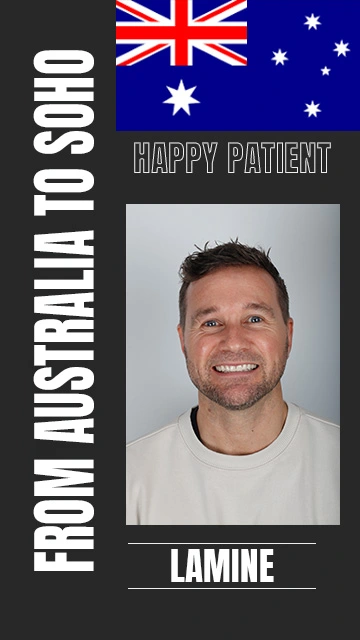
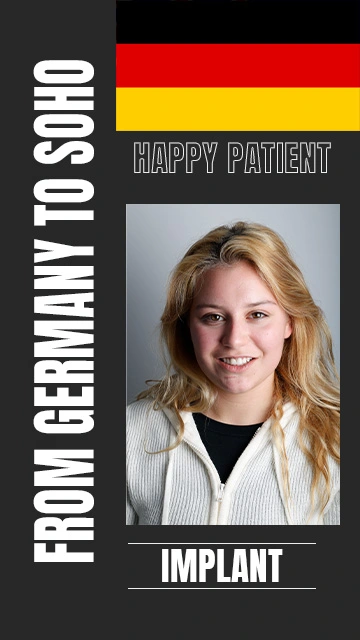
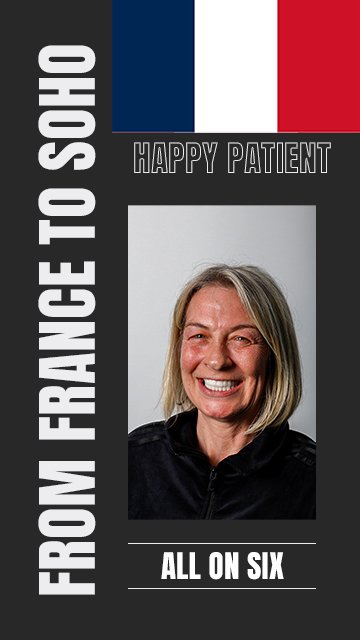
Before & After — Zirconia Crown Results
Real ceramic crown and smile rehabilitation transformations from Soho Dental Clinic patients in Istanbul.
From First Visit to Final Smile.
Explore real patient stories captured in every transformation. These are more than smiles — they are renewed confidence, achieved with care and precision at Soho Dental Clinic.


Real Patients. Real Smiles.


Our Cosmetic Dentists
Crown cases are planned and treated through a doctor-led multidisciplinary model, with the co-founders directly involved in prosthetic planning and full-arch rehabilitation, supported by a partner laboratory that mills every unit according to the approved smile design.


Is Crown Treatment Safe in Turkey? What International Patients Should Check
Crown treatment can be performed safely in Türkiye when it is provided by an appropriately authorized healthcare facility and planned according to the patient's individual clinical needs.
Soho Dental Clinic holds an International Health Tourism Authorization Certificate under the Republic of Türkiye Ministry of Health framework. Our authorization can be verified through the Ministry of Health's official list of authorized healthcare providers, and our clinic profile is listed on Health Türkiye, the Ministry's health-tourism platform.
For restorative work, authorization is only one part of the decision. Patients should also consider who is planning and performing the treatment, whether a try-in stage is included before anything is cemented, which materials are being used, and what aftercare is available after returning home.
Independent patient reviews and video interviews are worth checking for any clinic you shortlist, including ours.
 TDB Member Dentists
CAD/CAM Partner Laboratory
International Health Tourism Authorization Certificate · Republic of Türkiye Ministry of Health.
A note on very low prices: full sets of crowns advertised at $2,000–3,000 usually cover far fewer units than they appear to, or skip the try-in stage that a predictable result depends on. Always request a full written price and verify authorization before committing anywhere.
Why Choose Soho Dental for Zirconia Crowns?
What makes the difference
- Written plan stating which restoration each tooth receives
- Digital smile design approved by you before preparation
- Try-in appointment before anything is cemented permanently
- CAD/CAM lab work through our partner laboratory
- Monolithic or layered zirconia chosen from your bite assessment
- English-speaking coordination from first message to aftercare
Guarantee & aftercare
- Crowns, bridges and veneers covered for 5 years
- Warranty conditions issued in writing with your documents
- Free follow-up checks during your stay
- Continuous remote aftercare once you are home
- Clear aftercare guidance to protect your result long-term
Crown & Veneer Package Prices
VIP airport & hotel transfers, examination, X-rays and laboratory fees are included according to package conditions. Any possible extras outside of your package will always be shared with you before you travel.
ZIRCONIUM CROWNS PACKAGE

- 20x Zirconium Crowns (10 upper / 10 lower)
- Digital smile design
- Clinical examination and X-rays
- Tooth preparation
- Temporary crowns during your stay
- All laboratory work
- Final fitting and bite adjustments
- Airport-hotel transfers
E-MAX CROWNS PACKAGE

- 20x Ivoclar E-Max Crowns (10 upper / 10 lower)
- Digital smile design and consultation
- Clinical examination and 3D impressions
- Shade selection
- Temporary crowns during your stay
- All laboratory work
- Final fitting and bite adjustments
- Airport-hotel transfers
- 7 Nights Hotel with Bed & Breakfast
PORCELAIN LAMINATE VENEERS PACKAGE

- 20x Porcelain Laminate Veneers (10 upper / 10 lower)
- Digital smile design
- Clinical examination and X-rays
- Minimal preparation (0.3–0.5 mm enamel)
- Temporary veneers during your stay
- All laboratory work
- Bonding, polishing and final adjustments
- Airport-hotel transfers
- 7 Nights Hotel with Bed & Breakfast
Frequently Asked Questions
More answers on travelling to Istanbul for treatment are in our full patient FAQ.
Everything international patients ask about ceramic implants — cost, how they compare with titanium, how long they last, and where they are not the right choice. Still unsure? Message us for a free, no-obligation assessment.
A zirconia crown at Soho Dental is from $290 (€250 / £215) per unit, and a 20-unit smile package is from $5,800 (€5,000 / £4,300). That is roughly 76% less than the $24,000+ typically charged for the same 20 units in the US.
Zirconium dioxide — a white, high-strength ceramic. It contains no metal, which is the practical difference from an older PFM (porcelain-fused-to-metal) crown, where a metal core can show as a dark line at the gum as tissue recedes.
They answer different problems. Zirconia is the most fracture-resistant option and the usual choice for back teeth, full arches and patients who grind. E-max (lithium disilicate) is more translucent and generally reads more naturally in the front smile zone. Many full-smile plans combine the two.
Zirconia is rarely the weak point — what fails is usually the biology around the crown: decay at the margin where cleaning stops, or gum disease undermining the tooth beneath. At Soho Dental crowns, bridges and veneers are covered for 5 years, provided you keep to the recommended hygiene and check-up schedule.
A crown covers the whole tooth and is used where the tooth is heavily filled, worn, root-treated or structurally weak. A veneer covers only the front surface and removes about 0.3–0.5 mm of enamel. Many cases marketed abroad as veneers are in fact crowns, so we state in writing which restoration each tooth is receiving before any preparation begins.
Monolithic is milled from a single block with no ceramic layer on top: strongest, and the usual choice for back teeth and grinders. Layered has aesthetic ceramic fired over a zirconia core, which reads more naturally in the smile zone but adds a thin layer that can chip under heavy load. Your bite assessment decides it.
Crowns are completed in one visit of 6–7 working days. Days 1–2 cover examination, X-rays, smile design, preparation and temporary crowns; days 3–5 are laboratory production and a try-in appointment; days 6–7 are cementation, bite adjustment and final checks. No second trip is needed.
Zirconium dioxide is a ceramic with no metal alloy content, and allergic response to it is very rare — which is part of why it is chosen for patients who react to metal-backed restorations. If you have a known sensitivity, tell us at the consultation so it is recorded in the plan.
The ceramic itself does not absorb stain the way composite does, and polished zirconia resists discolouration well. Surface film from coffee, tea, red wine and tobacco can still build up and is removed at a routine hygiene appointment. Whitening products do not lighten ceramic.
Only if the bite is not adjusted properly. Zirconia is harder than natural enamel, so an unadjusted crown can wear the opposing tooth over time. That is exactly what the try-in and bite-adjustment stages are for, and why we do not cement anything before they are done.
Most patients treat the smile zone rather than every tooth, which is typically 8 to 10 units per arch — so 16 or 20 units in total. Treating more teeth than the smile zone rarely looks more natural and removes healthy tooth structure unnecessarily.
Because we do not remove the stages that make a result predictable: a written plan stating what each tooth receives, a digital smile design you approve, and a try-in before anything is cemented. You still save up to 76% versus US prices.