
What Is a Sinus Lift?
A sinus lift — also called sinus augmentation — adds bone height to the upper back jaw so a dental implant has enough support. The maxillary sinus sits directly above the upper molars and premolars, and when those teeth are lost the bone beneath it shrinks and the sinus cavity expands downward into the space.
The procedure lifts the membrane lining the floor of the sinus and places grafting material in the space created. Over several months that graft matures into bone capable of holding an implant.
A sinus lift is not a treatment in its own right — it is preparation for an implant. Whether you need one is decided by a CBCT scan that measures the actual bone height at each planned implant site, not by an estimate from a photograph or a panoramic X-ray alone.
Why Would I Need a Sinus Lift?
An implant needs bone to anchor into. In the upper back jaw there is often not enough, for reasons that compound over time:
- Bone resorbs after tooth loss. Without a root stimulating it, the ridge loses height — most rapidly in the first year.
- The sinus expands with age into the space the roots used to occupy.
- Gum disease destroys supporting bone before the tooth is even lost.
- Long-term denture wear accelerates ridge resorption.
- Individual anatomy — some people simply have large sinuses and a thin ridge.
Whether grafting is needed in your case depends on the case. Your CBCT scan at the clinic accompanied by a comprehensive examination with your surgeon will decide it.
How Much Does a Sinus Lift Cost in Turkey?
A sinus lift at Soho Dental starts from $350 for the closed technique and from $520 for the open technique. Grafting material and membranes are itemised separately, so you can see exactly what the surgical plan includes.
| Procedure | Soho Dental (Istanbul) |
|---|---|
| Closed (crestal) Sinus Lift | from $350 |
| Open (lateral window) Sinus Lift | from $520 |
| Straumann Bone Grafting Material — 1 cc | from $290 |
| Straumann Bone Grafting Material — 2 cc | from $520 |
| Collagen Membrane (Guided Bone Regeneration) | from $350 |
| Pericardium Membrane (Guided Bone Regeneration) | from $400 |
| Single Dental Implant (placed afterwards) | from $520 |
Read any implant quote carefully
Sinus lifting is one of the most common reasons a headline implant price turns out to be incomplete. At Soho Dental the need for grafting is established from your CBCT scan and the cost is disclosed in writing before you travel — not discovered on arrival. The complete Turkey teeth price list covers every other treatment we offer.
Closed vs Open Sinus Lift
Two techniques, chosen by how much bone height you have left. Both are performed under local anaesthetic, with IV sedation available.
| Factor | Closed (crestal) | Open (lateral window) |
|---|---|---|
| Access | ✓ Through the implant socket | Through a window in the cheek-side bone |
| Existing bone height needed | Usually 5 mm or more | ✓ Works with much less |
| Height gained | Limited | ✓ Greater |
| Implant placed at the same time | ✓ Often yes | Depends on the case |
| Swelling and recovery | ✓ Less | More |
| Soho Dental price | from $350 | from $520 |
Whether the implant goes in at the same appointment or after a healing period depends on the case — specifically on how much stable bone is there to hold it at placement. A CBCT assessment and examination with your surgeon confirms the right approach for you.
The Sinus Lift Procedure — Step by Step
- 1
Free Online Consultation & Quote
Send your X-rays or CBCT scan on WhatsApp or by email. A specialist reviews whether grafting is likely and sends a transparent plan within 24 hours — no obligation.
- 2
Day 1 — CBCT Imaging & Surgical Planning
A 3D scan measures residual bone height, sinus anatomy and the position of the membrane. This is what decides closed versus open, and whether an implant can be placed at the same visit.
- 3
Day 2 — Surgery
Under local anaesthetic, the sinus membrane is carefully elevated and grafting material placed beneath it. A membrane may be used to contain the graft. The site is closed with sutures.
- 4
Day 3 — Post-operative Check
Your surgeon checks the site, reviews medication and gives you written aftercare instructions before you travel home.
- 5
4–9 Months — Graft Maturation
The graft consolidates into bone capable of holding an implant. Our team follows up remotely throughout. The exact interval depends on the technique used and how much height was gained.
- 6
Implant Placement & Final Teeth
Once healing is confirmed, the implant is placed — or restored, if it went in at the first surgery — and the final crown or bridge is fitted.
Does a Sinus Lift Change Your Facial Appearance?
This is one of the most common questions, and the short answer is no. A sinus lift works inside the jaw, below the sinus floor. It does not alter the cheekbones, the nose, or the shape of the face. It is not a cosmetic procedure and is unrelated to any facial surgery that shares part of the name.
What patients do sometimes notice is the opposite effect — the restoration of something already lost. Severe bone resorption in the upper jaw shortens the distance between nose and chin and lets the lips fall inward. Rebuilding bone and replacing teeth can restore that support, so the face looks more like it did before the teeth were lost rather than different from it.
Swelling in the first week is temporary and is not a change in facial appearance. See the recovery section below for what is normal and what is not.
Recovery & Swelling — What to Expect
- 1
Days 1–3
Swelling and bruising peak around day 2–3 — this is expected, and more pronounced after an open lift. Use cold compresses, sleep with your head slightly raised, take the medication provided, and stick to soft, lukewarm food.
- 2
The first two weeks — the rules that matter
Do not blow your nose. Sneeze with your mouth open. Avoid straws, smoking, air travel where possible in the first days, and strenuous exercise. Pressure changes in the sinus are what dislodge a graft.
- 3
Weeks 2–6
Swelling settles and normal eating returns gradually. Light nasal congestion or small traces of blood from the nostril on the treated side can occur early on and usually resolve.
- 4
Months 4–9
The graft matures into bone. There is nothing to feel during this period — you carry on normally while it consolidates.
Risks, Side Effects and Signs of Failure
Sinus lifting is a routine, well-documented procedure, but no surgery is risk-free and a clinic should tell you what to watch for.
Known risks
- Perforation of the sinus membrane during surgery — usually repaired in the same appointment
- Sinus infection or sinusitis
- Graft failing to integrate, requiring the procedure to be repeated
- Bleeding, swelling and bruising beyond the usual range
- Higher risk in smokers and in patients with chronic sinus disease
Contact your clinician promptly if you have
- Swelling that worsens after day 3 rather than settling
- Fever, or discharge with an unpleasant taste or smell
- Persistent bleeding from the nose on the treated side
- Pain not controlled by the medication provided
- Grafting material coming away through the nose or mouth
Long-term side effects are uncommon. Once the graft has integrated it behaves as bone; it does not need replacing and does not affect breathing or sinus function in normal circumstances. Our team provides remote follow-up throughout your healing period.
Alternatives to a Sinus Lift
A sinus lift is not the only route to fixed teeth in the upper jaw. Which option fits depends on the case, and the comparison is made from your CBCT scan.
Zygomatic implants
Anchored in the cheekbone rather than the upper jaw, so severely resorbed maxillary bone is bypassed. A more specialised surgery, quoted per case.
Angled implant placement
Tilting implants to use the bone that remains is part of how All-on-4 works, and can reduce how much grafting a full-arch case needs.
Short implants
Where residual height is marginal rather than absent, a shorter fixture may be placed without lifting the sinus. Suitability is a clinical judgement, not a preference.
Who Is a Good Candidate for a Sinus Lift?
You are likely suitable if you
- Have lost upper back teeth and want fixed implants
- Have insufficient bone height shown on CBCT
- Are in reasonable general health
- Have healthy — or treatable — gums
- Do not smoke, or are willing to stop around surgery
Additional assessment is needed if you
- Have chronic sinusitis or ongoing sinus disease
- Have had previous sinus surgery
- Smoke heavily — the clearest risk factor for graft failure
- Have uncontrolled diabetes or take bone-density medication
- Have had radiotherapy to the head or neck
How Long Do I Need to Stay in Istanbul?
Sinus lift surgery itself needs a short first visit of about 3 working days — imaging, surgery and a post-operative check. The implant and final teeth follow after the graft has matured.
- Visit 1 (sinus lift): 3 working days. The implant may be placed at the same time if enough stable bone is present.
- Healing at home: 4–9 months while the graft consolidates.
- Visit 2 (implant and/or final teeth): 3 to 7 working days depending on what remains to be done.
Hotel accommodation and VIP airport ↔ hotel transfers are arranged by your coordinator according to your flights and individual package conditions. All relevant details are shared transparently with you before you travel. See the full treatment journey for international patients.
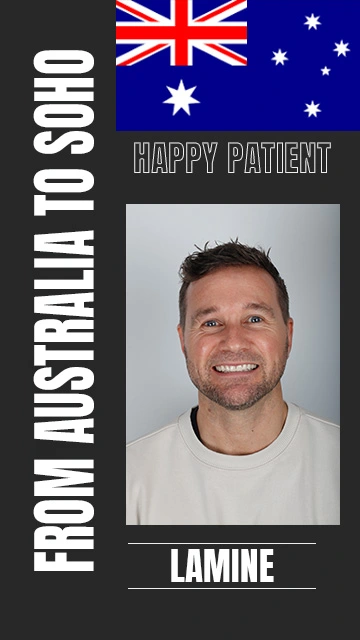
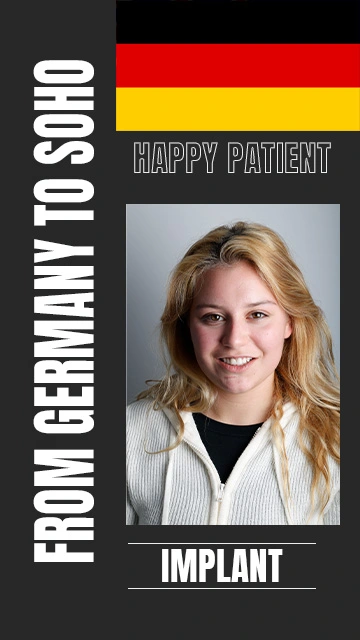
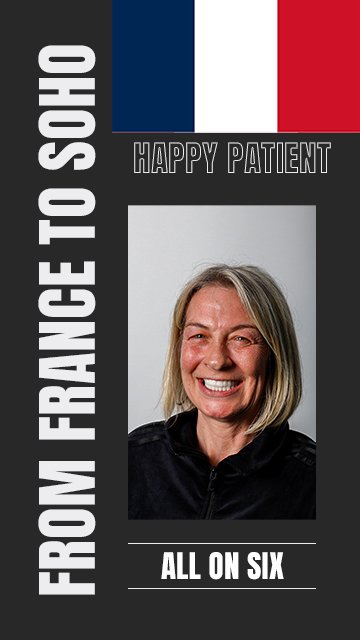
Before & After — Implant Results in Turkey
Real implant and full-arch transformations from Soho Dental Clinic patients in Istanbul, including cases that required bone grafting before placement.
From First Visit to Final Smile.
Explore real patient stories captured in every transformation. These are more than smiles — they are renewed confidence, achieved with care and precision at Soho Dental Clinic.
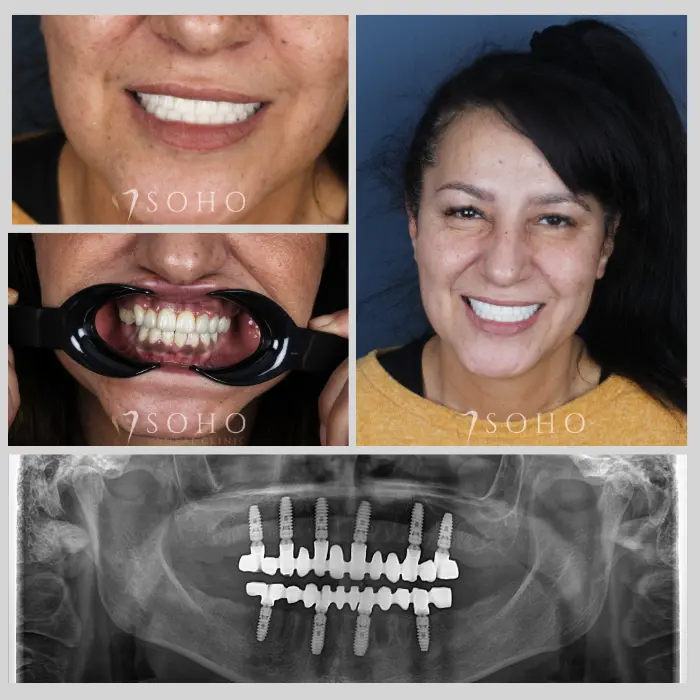
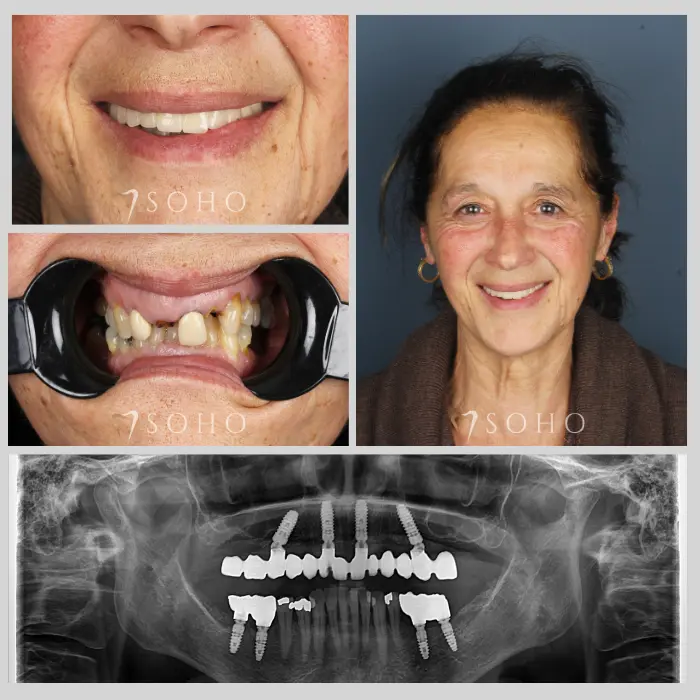
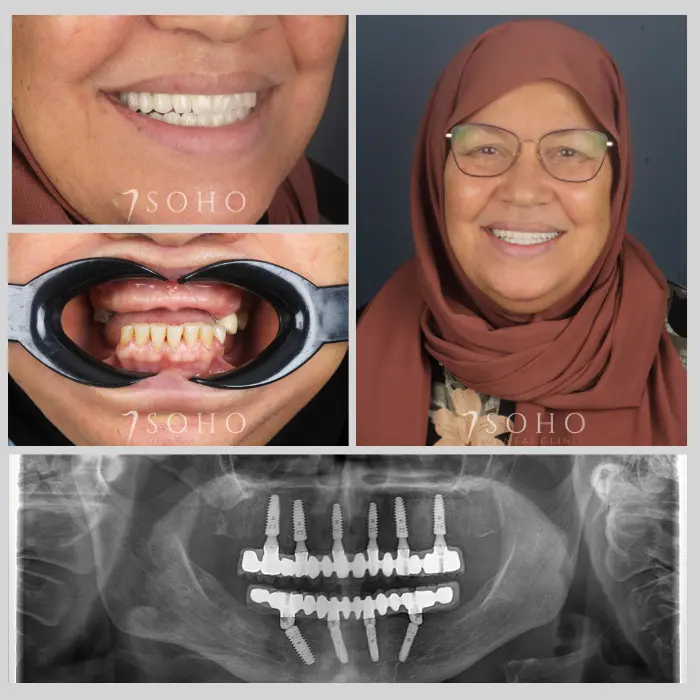
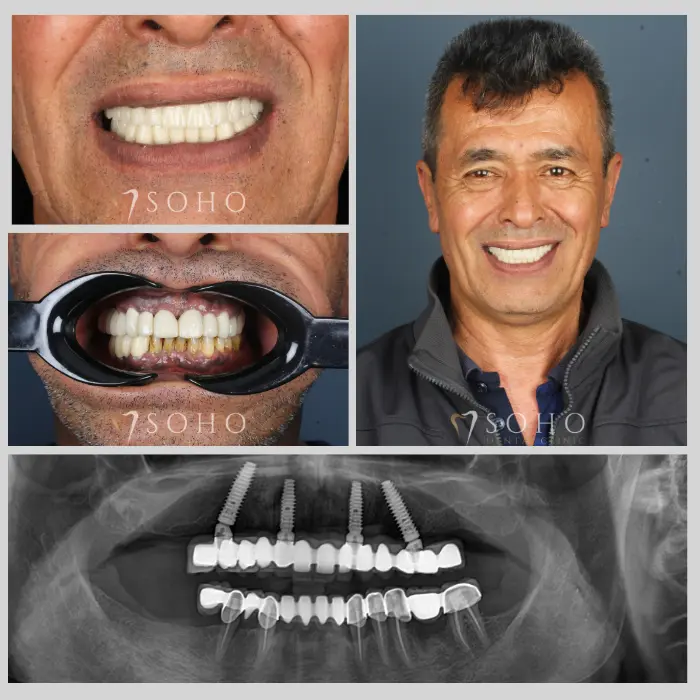


Real Patients. Real Smiles.


Our Implant Surgeons
Sinus lift cases are planned and treated through a doctor-led multidisciplinary model, with the co-founders directly involved in implant surgery, prosthetic planning and full-arch rehabilitation. Grafting is performed by surgeons with postgraduate training in oral implantology and periodontology.


Is Sinus Lift Surgery Safe in Turkey? What International Patients Should Check
Sinus lift surgery can be performed safely in Türkiye when it is provided by an appropriately authorized healthcare facility and planned according to the patient's individual clinical needs.
Soho Dental Clinic holds an International Health Tourism Authorization Certificate under the Republic of Türkiye Ministry of Health framework. Our authorization can be verified through the Ministry of Health's official list of authorized healthcare providers, and our clinic profile is listed on Health Türkiye, the Ministry's health-tourism platform.
For grafting surgery, authorization is only one part of the decision. Patients should also consider who is performing the surgery, whether a CBCT scan is used to plan it, which grafting material and membranes are being used, and what aftercare is available during the months the graft takes to mature.
Independent patient reviews and video interviews are worth checking for any clinic you shortlist, including ours.
 TDB Member Surgeons
Straumann Grafting Materials
International Health Tourism Authorization Certificate · Republic of Türkiye Ministry of Health.
A note on incomplete quotes: an implant price that does not mention grafting is not necessarily cheaper — it may simply be unfinished. Ask whether a CBCT has been reviewed and whether sinus lifting is included or excluded, in writing, before you travel.
Why Choose Soho Dental for Sinus Lift Surgery?
What makes the difference
- Grafting need established from CBCT, not estimated
- Closed and open techniques both offered — chosen clinically, not by price
- Straumann grafting materials with manufacturer documentation
- Cost disclosed in writing before you travel
- Surgeons with postgraduate training in implantology and periodontology
- English-speaking coordination from first message to aftercare
Guarantee & aftercare
- Lifetime guarantee on the implant fixture
- Complication insurance on treatment performed at our clinic
- Free follow-up checks during your stay
- Continuous remote aftercare through graft maturation
- Written aftercare instructions covering the sinus precautions
Implant & Treatment Package Prices
VIP airport & hotel transfers, 3D CBCT, panoramic X-ray and laboratory fees are included according to package conditions. Grafting and sinus lifting are quoted separately and always disclosed before you travel.
Frequently Asked Questions
More answers on travelling to Istanbul for treatment are in our full patient FAQ.
Everything international patients ask about ceramic implants — cost, how they compare with titanium, how long they last, and where they are not the right choice. Still unsure? Message us for a free, no-obligation assessment.
A closed (crestal) sinus lift at Soho Dental is from $350 and an open (lateral window) lift from $520. Grafting material is itemised separately — Straumann graft from $290 for 1 cc, and membranes from $350 — so you can see exactly what the surgical plan includes before you travel.
It adds bone height to the upper back jaw so an implant has enough support. The maxillary sinus sits above the upper molars; when those teeth are lost the bone beneath shrinks and the sinus expands into the space. The procedure lifts the sinus membrane and places grafting material underneath, which matures into bone over several months.
No. A sinus lift works inside the jaw, below the sinus floor — it does not alter the cheekbones, the nose or the shape of the face, and it is not a cosmetic procedure. Swelling in the first week is temporary. If anything, rebuilding lost bone restores facial support that severe resorption had taken away.
Surgery is performed under local anaesthetic — you feel pressure but not pain. IV twilight sedation is available for anxious patients. Post-operative discomfort is usually mild and managed with the medication provided; swelling rather than pain is what most patients notice.
Swelling peaks around day 2–3 and settles over the following two weeks. The graft itself takes 4–9 months to mature into bone capable of holding an implant — the exact interval depends on the technique used and how much height was gained.
A closed (crestal) lift goes through the implant socket, needs roughly 5 mm of existing bone, gains limited height and causes less swelling. An open (lateral window) lift goes through a window in the cheek-side bone, works with much less residual bone and gains more height. Your CBCT scan decides which applies.
It depends on the case — specifically on whether enough stable bone is present to hold the implant at placement. With a closed lift it often is. With an open lift it varies. This is settled from your CBCT scan before you travel, not on the day.
The main ones are perforation of the sinus membrane during surgery (usually repaired in the same appointment), sinus infection, and the graft failing to integrate and needing to be repeated. Smokers and patients with chronic sinus disease carry higher risk. Long-term side effects are uncommon — once integrated, the graft behaves as bone.
Contact your clinician promptly if swelling worsens after day 3 rather than settling, if you develop fever or discharge with an unpleasant taste or smell, if there is persistent bleeding from the nose on the treated side, if pain is not controlled by the medication provided, or if grafting material comes away through the nose or mouth.
Sometimes. Zygomatic implants anchor in the cheekbone and bypass the upper jaw entirely; angled placement, as used in All-on-4, makes use of the bone that remains; and short implants may suit cases where height is marginal rather than absent. Which option fits depends on the case and is decided from your CBCT scan.
For the first two weeks: do not blow your nose, sneeze with your mouth open, and avoid straws, smoking and strenuous exercise. Pressure changes in the sinus are what dislodge a graft. Written aftercare instructions covering these precautions are issued before you travel home.
About 3 working days for the first visit — imaging, surgery and a post-operative check. After 4–9 months of graft maturation at home you return for 3 to 7 working days, depending on your case.