All-on-Four Dental Implants: Fast, Fixed Teeth In Turkey
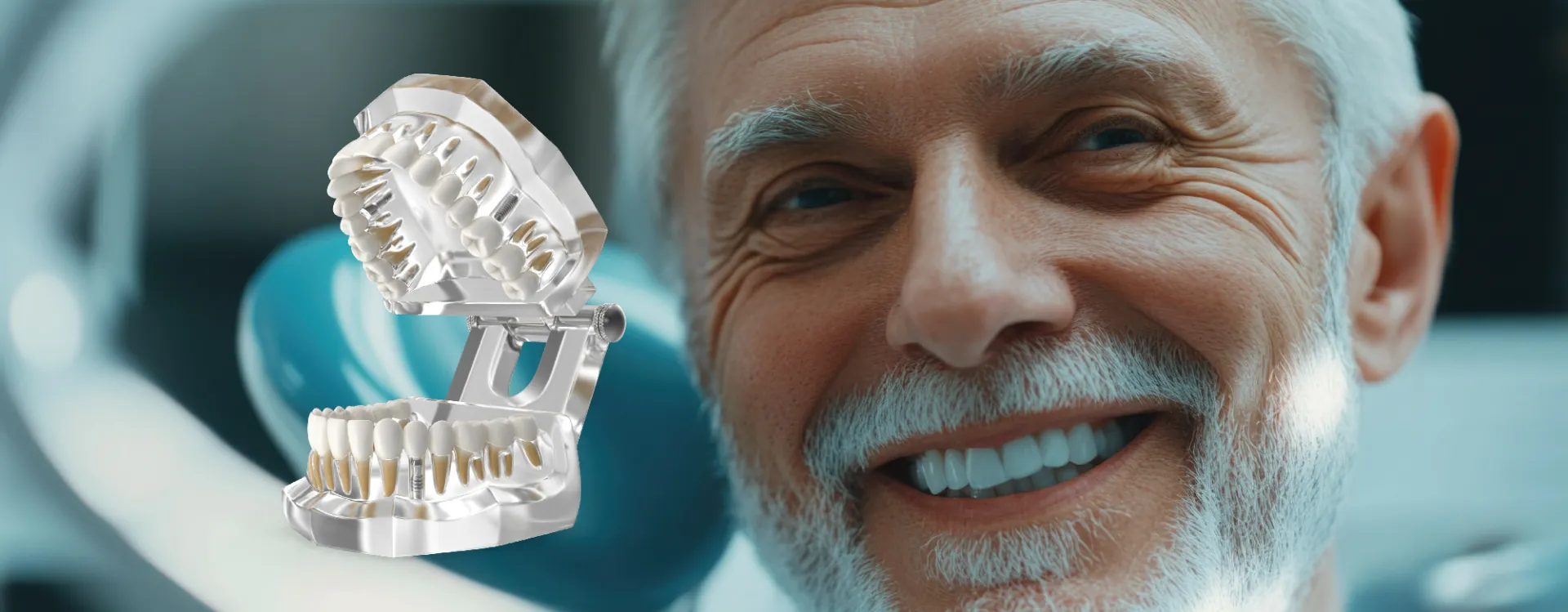
All-on-Four places four strategically positioned implants (two straight anterior, two tilted posterior) to support a full-arch bridge. By using available native bone and tilting posterior implants to avoid anatomical limits, treatment is often graft-sparing and less invasive—focused on getting you back to confident chewing and smiling.
.webp)
What Is All-on-Four?
All-on-4 is one of the full-arch implant rehabilitation concepts used to restore a complete jaw with fixed implant-supported teeth. At Soho Dental Clinic, it is not presented as a one-size-fits-all package. Every patient is first evaluated by our doctors according to bone structure, jaw anatomy, bite relationship, gum health, medical history and long-term functional needs.
In selected cases, four strategically positioned implants can support a full-arch restoration. The posterior implants may be angled to increase the use of available bone and reduce the need for grafting in appropriate patients. However, suitability can only be confirmed after clinical examination and radiographic assessment. If four implants are not the most stable option, our doctors may recommend All-on-6, All-on-X, bone grafting, sinus lift, zygomatic implants or another advanced implant solution.
Fixed temporary teeth may be provided during the healing period when implant stability and clinical conditions allow. The final fixed prosthesis is prepared after healing, once the implants have integrated with the bone.
This doctor-led approach reflects Soho Dental Clinic’s focus on responsible full-mouth rehabilitation, long-term implant stability, chewing function, speech comfort, aesthetics and patient confidence.
Who Is a Good Candidate?
People who have lost most or all teeth, need multiple extractions, or are unhappy with removable dentures. Candidacy is confirmed after examination and 3D imaging (CBCT), reviewing medical history, bite, bone volume, and hygiene habits.
Your Treatment Journey
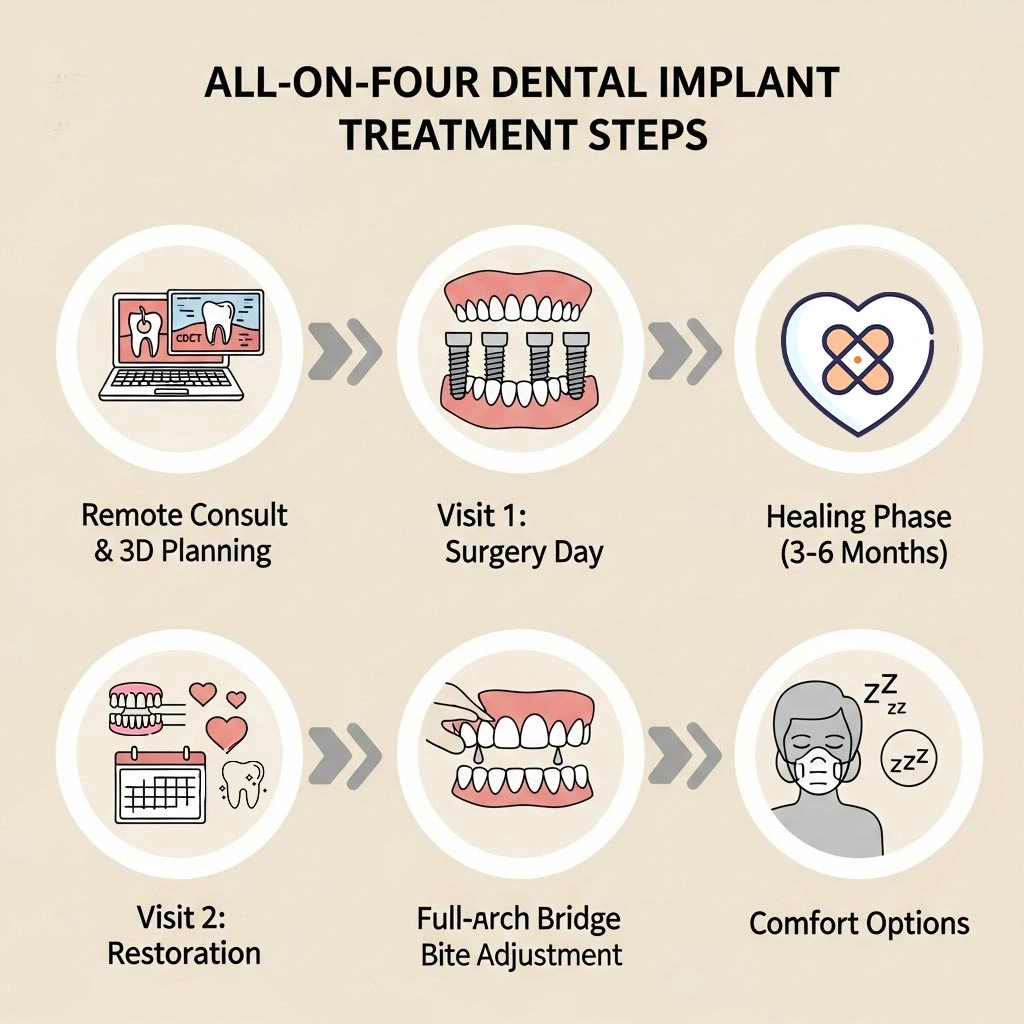
- Remote consult & 3D planning: share panoramic/CBCT; digital plan confirms implant positions and need for any grafting/sinus lift.
- Visit 1 (Surgery day): extractions if needed; placement of four implants (two straight anterior, two tilted posterior). A provisional solution is provided according to your plan and healing needs.
- Healing phase: osseointegration typically 3–6 months; soft diet and hygiene guidance; scheduled follow-ups.
- Comfort options: treatment is usually under local anaesthesia; sedation can be arranged for anxious patients. Expect mild swelling/soreness for a few days, manageable with standard medication.
Results & Longevity (What Research Shows)
Long-term cohorts of the All-on-Four concept report very high survival: prosthesis survival around ~99% at up to 10 years and implant survival commonly in the mid-90% range, with mandibular data extending to 10–18 years. Maintenance and meticulous hygiene strongly influence success.
Plain-language take: with proper care, most people keep their All-on-Four bridges comfortably well beyond a decade.
Materials for the Final Bridge
Monolithic / veneered zirconia
High strength and aesthetics; fewer late acrylic-tooth issues than metal-acrylic in many reports. Repairs are less frequent but can be more specialised.
Metal-acrylic hybrid (acrylic/PMMA on a titanium bar)
Cost-effective and straightforward to repair chairside. More delayed prosthetic events over the years (tooth wear/chipping) than zirconia. Hybrid mixes (e.g., zirconia occlusals on a metal-resin base) may reduce wear.
Aftercare: First 72 Hours & Ongoing Hygiene
First 48–72 hours
Rest with head elevated; intermittent ice for swelling. Soft, cool foods; avoid vigorous rinsing, straws, smoking, and strenuous activity. Follow your prescribed medications.
Daily hygiene thereafter
Brush twice daily (soft/electric), clean under the bridge with interdental brushes/floss threaders, and use a water flosser to flush the intaglio (tissue) surface. Professional maintenance every 6–12 months with periodic radiographs.
If a provisional chips, it’s usually not an emergency—contact us to arrange a quick repair or adjustment.
Transparent Pricing & What’s Included
Your personalised plan depends on extractions, sedation, implant/abutment system, additional procedures (e.g., grafting/sinus lift), and final material. Request an itemised proposal covering diagnostics (CBCT, scans), surgery, provisional solution, final bridge (zirconia or metal-acrylic), post-op checks, and any logistics. Headline prices online vary widely—what matters is what’s included and who provides aftercare.
All-on-Four vs All-on-Six vs Overdentures
All-on-Four: efficient, graft-sparing by tilting posterior implants; planned for early function after biological milestones.
All-on-Six: additional implants for selected anatomies/biomechanics to distribute loads; CBCT-based decision.
Implant-retained overdentures: removable, budget-conscious upgrade over conventional dentures—major boost in comfort, stability and chewing efficiency.
Alternatives to All-on-Four (When Might a Different Option Fit Better?)
-
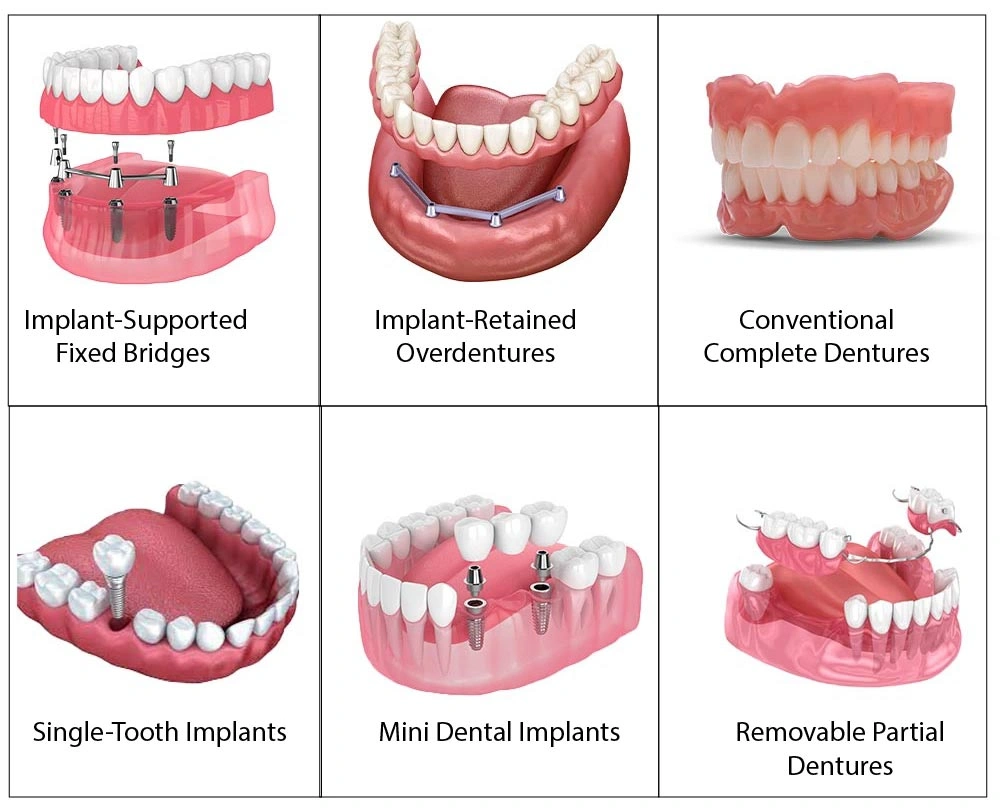
Implant-Supported Fixed Bridges
Pros: May enhance load distribution in selected anatomies; strong short- to mid-term outcomes.
Cons: More implants → higher surgical/time investment; case-by-case. -
Implant-Retained Overdentures (2–4 implants, removable)
Pros: Lower cost than fixed bridges; big improvement over conventional dentures.
Cons: Not fixed; attachments need maintenance; maxillary results can be less predictable than mandibular. -
Conventional Complete Dentures (no implants)
Pros: Most economical; digital/CAD-CAM workflows can improve fit and experience.
Cons: Least stable—especially in the lower jaw; reduced chewing efficiency. -
Segmental / Single-Tooth Implants & Short-Span Bridges
Pros: Tooth-by-tooth feel, preserves healthy sites, phased treatment.
Cons: Multiple surgeries/visits if many teeth are missing. -
Mini Dental Implants (MDIs) for Overdentures
Pros: Can stabilise a lower overdenture with less-invasive surgery.
Cons: Lower survival reported in the upper jaw; more attachment wear—careful selection needed. -
Removable Partial Dentures (for partial tooth loss)
Pros: No surgery; quick and economical.
Cons: Do not prevent ridge resorption; stability/chewing limited vs implant options.
Why Choose Sohodent
Experienced full-arch team, digital planning, and modern equipment.
English-speaking coordination and smooth logistics from first consult to follow-ups.
Independent review footprints you can check (plus Patient Stories below).
Reviews & Patient Stories (real journeys, clear outcomes)
Independent reviews:
1) “Same-day fixed teeth changed my confidence”
Plan: Full-arch All-on-4 with extractions and immediate provisional.
Day 1: Surgery in the morning → fixed bridge fitted the same day; swelling minimal, pain controlled.
Follow-up: Bite checks on day 2–3, remote check-ins during healing; final zirconia delivered after integration.
Outcome: “I could eat soft foods straightaway and felt presentable at work within a week.”
Read independent comments: Trustpilot • Clinic reviews hub. (Trustpilot)
2) “Severe bone loss—but no grafts needed”
Background: Long-term denture wearer, told elsewhere they needed sinus lifts/bone grafts.
Approach: Tilted posterior implants used native bone; no grafting required. Same-day fixed provisional placed.
Care: Hygiene coaching (interdental brushes + water flosser); scheduled recalls.
Outcome: “Speech and chewing are stable; hygiene routine is easy once you learn the angles.” (whatclinic.com)
3) “From metal-acrylic temporary to monolithic zirconia final”
Phase 1: Provisional metal-acrylic bridge (light, quick to repair). One minor chip polished at review.
Phase 2: Monolithic zirconia definitive bridge chosen for durability and esthetics.
Outcome: “Final feels slimmer and solid; nightguard became part of my routine.”
Browse patient remarks: Trustindex review feed • Clinic testimonials page. (Trustindex)
4) “Travel made simple—clear pricing and fast coordination”
Logistics: Remote consult, X-ray review, airport transfer + hotel options arranged on request.
Experience: “Team answered everything in plain English; timeline and costs matched the plan.”
Outcome: “Back home with a provisional the same week; returned for finals exactly as scheduled.”
Check external profiles: Trustpilot • PlacidWay profile. (Trustpilot)
More to explore: Independent Trustpilot page • Clinic reviews hub (long-form quotes, videos). (Trustpilot)
FAQs
What is the downside of All-on-Four?
It is surgery—risks include infection, bruising/swelling and, rarely, nerve/sinus issues. A small proportion of implants may fail. The bridge can feel bulkier than natural teeth and demands meticulous daily cleaning. Metal-acrylic bridges tend to need more maintenance over time than zirconia.
How long does All-on-Four last?
Long-term research shows high survival—around mid-90% for implants and ~99% for bridges at ~10 years, with mandibular cohorts reported up to 18 years. Maintenance and hygiene are decisive.
How many teeth are on an All-on-Four bridge?
Most full-arch bridges replace ~12–14 teeth, tailored to your arch size and bite.
Will I get my final teeth immediately?
No. In general, treatment completes in two visits: surgery and, after 3–6 months of osseointegration, delivery of the definitive bridge. Interim solutions are planned individually during healing.
Can I have All-on-Four if I have bone loss?
Often yes—tilted posterior implants use available bone and can reduce grafting; your CBCT plan confirms suitability.
Share your panoramic/CBCT to receive a personalised All-on-Four plan and quote. Browse independent reviews and read more Patient Stories from people who completed their full-arch treatment with Sohodent.